
When to Pop the Question: Rome’s Best Proposal Windows
Late April through May and again from late September into October give you Rome’s most reliable proposal conditions: warm but not brutal temperatures, golden light that flatters photos, and crowds thin enough to actually hear yourself think. For time of day, early morning hours before 9:00 AM clears the plazas almost entirely, while the hour before sunset delivers the deepest, warmest light at the cost of more onlookers.
Which one wins depends on the spot and on how much company you can tolerate while getting down on one knee. The Trevi Fountain at dawn feels like a private film set; the same fountain at 7:00 PM feels like a subway platform. The Aventine Hill’s Orange Garden stays quiet almost any time of day, while a rooftop terrace booked privately sidesteps the whole crowd question.
- Best months: the spring or autumn shoulder seasons
- Best times: early morning hours or the hour before sunset
- Trade-off to remember: the quietest hour and the prettiest hour are rarely the same hour at Rome’s most famous landmarks
- Next step: scout your exact spot at your exact planned hour the day before, or let a local photographer or planner do that scouting for you
If you’re flying in from the U.S., you’re already crossing several time zones and adjusting to jet lag, so the Rome Proposal Guide’s advice to arrive 60 to 90 minutes early for any sunset proposal matters even more. Build in buffer time everywhere. Rome doesn’t run on your home clock, and neither do its tourist crowds.
Key Takeaways
The best time to propose in Rome combines shoulder-season months, April to May or late September to October, with either an early-morning window before 9:00 AM or the 60 to 90 minutes before sunset, depending on whether privacy or dramatic light matters more.
| Point | Details |
|---|---|
| Best months | Choose April to May or late September through October for mild weather and thinner crowds. |
| Best hours | Early morning (6:30 to 9:00 AM) offers privacy; golden hour before sunset offers dramatic light with more people. |
| Scout before you commit | Visit your exact spot at your exact planned hour the day before, or have a local photographer do it for you. |
| Book early for peak windows | Reserve photographers and private terraces 8 weeks out for peak season, 4 to 6 weeks for shoulder season. |
| Proposal Italy handles timing risk | Their Rome packages include a reserved spot, hidden photographer, flowers, champagne, and coordinator, with pricing published from €500. |
Table of Contents
- Best Time to Propose in Rome: Choosing Your Season
- What Hour of the Day Gives You the Best Shot?
- Which Rome Landmarks Work Best at Which Hour?
- How Photographers Actually Think About Timing
- When Should You Book Photographers, Terraces, and Permits?
- Are There Festivals Worth Building a Proposal Around?
- How Can You Weave Italian Culture Into the Moment?
- Where Can You Propose Indoors if the Weather Turns?
- Why Couples Should Rethink the “Perfect Sunset” Myth
- How Proposal Italy Takes the Guesswork Out of Timing
- Sources
- FAQ
Best Time to Propose in Rome: Choosing Your Season
Spring and early autumn bracket the calendar with Rome’s two strongest proposal windows, and each one solves a different problem.
- April and May bring blooming wisteria along Via Margutta, jasmine climbing over garden walls in Trastevere, and daylight that stretches past 8:00 PM by late May. Temperatures typically sit in comfortable, mild ranges, cool enough that you’re not sweating through a proposal speech but warm enough to skip a heavy coat in photos. The trade-off: Easter week and the surrounding weeks pull enormous crowds to Vatican-adjacent sites and the historic center, so check the Italian calendar before locking a date.
- Late September through October is where a lot of Rome regulars quietly prefer to send couples. The summer swelter has broken, the tour groups have thinned considerably, and the autumn light tends to sit lower and warmer in the sky, stretching golden hour into a longer, more forgiving window for photos. Photographer availability also loosens up compared to the June wedding rush, which matters if you want your first choice of talent rather than whoever has an open Tuesday.
- Summer (June through August) offers the longest days of the year, sunset late in the evening, but it also brings very hot temperatures and the heaviest tourist volume Rome sees all year. If summer is your only window because of work schedules or a milestone anniversary, lean hard into early morning timing and consider a shaded or elevated spot rather than an exposed plaza at midday.
- Winter (November through February) is Rome at its quietest and, arguably, its most intimate. Fewer tourists means you can often get a genuinely private moment at the Trevi Fountain or the Spanish Steps without waiting for a gap in foot traffic. The catch is shorter daylight, a real chance of rain, and holiday-period crowds spiking hard around Christmas and New Year’s in the city center.
One planning habit saves more headaches than any single date choice: check Rome’s event calendar before you book flights. Easter Sunday, the Feast of Saints Peter and Paul on June 29 (a Rome city holiday), and any papal audience week can quietly triple foot traffic near your intended spot. A date that looks perfect on paper can turn into a scrum if it overlaps with a religious procession or a national holiday closing streets you were counting on.
For couples weighing the calendar against flight prices from the U.S., the shoulder seasons also tend to offer better airfare than the June to August peak, which makes April to May or late September to October a practical win on more than one front.
What Hour of the Day Gives You the Best Shot?
Rome’s proposal clock really only has three settings worth considering, and each one trades privacy for atmosphere in a different way.
Early morning, 6:30 to 9:00 AM, is the window most photographers quietly recommend and most couples underestimate. The half hour before official sunrise in low season is one of the most reliable quiet windows at even the busiest landmarks, because the tour buses haven’t arrived and the street vendors are still setting up. Light at this hour is soft and diffused rather than dramatic, which flatters skin tones and avoids harsh shadows across a nervous face. The Trevi Fountain and the Spanish Steps, both mobbed by midday, can feel close to empty in this window.
Golden hour, roughly the 60 to 90 minutes before sunset, delivers the warm, saturated light that makes Rome’s stone glow orange and pink in photos. The trade-off is real: this is also when every other couple, tour group, and street performer converges on the same handful of iconic viewpoints. Arriving well before sunset isn’t just a photography tip, it’s how you claim a physical spot to stand before someone else does.
Blue hour, the 20 to 30 minutes after sunset when the sky turns deep indigo and the streetlights click on, gives you a moodier, more cinematic look with noticeably lower crowd pressure than golden hour. The technical trade-off is that it needs either a photographer comfortable shooting in low light or a location with good ambient lighting, like a bridge over the Tiber or a lit piazza.
Day of the week matters almost as much as hour of the day. Tuesday through Thursday consistently run lighter than weekends at Rome’s major sites, and public holidays, both American and Italian, can swing crowd levels unpredictably. Avoid scheduling around Italian national holidays if you can help it.
- Early morning: fewest people, softest light, requires an early alarm
- Golden hour: best light for photos, heaviest competition for the same spot
- Blue hour: moody and quiet, needs a photographer who knows how to work with it
- Tuesday to Thursday: consistently lighter crowds than Friday through Sunday
Pro Tip: Set a second alarm. Jet lag makes 6:30 AM feel like the middle of the night the first two or three days in Rome, and missing your quiet window by even twenty minutes can mean the difference between an empty piazza and a tour group.
Which Rome Landmarks Work Best at Which Hour?
Rome’s most photographed proposal spots each have their own rhythm, and matching your timing to the right one saves you from planning a private moment in what turns out to be a very public place.
| Location | Best window | Crowd level | Fallback |
|---|---|---|---|
| Trevi Fountain | 6:30 to 7:30 AM | Heavy midday; near-empty at dawn | Blue hour if you miss sunrise |
| Spanish Steps | 6:30 to 8:00 AM | Very heavy by mid-morning | Nearby quieter side street at dusk |
| Aventine Hill / Orange Garden | Any time, golden hour ideal | Consistently light | None needed; naturally quiet |
| Pincian Hill / Villa Borghese | Golden hour, 60 to 90 min before sunset | Moderate | Early morning walk-through |
| Colosseum viewpoints | Sunrise or last light | Heavy at midday | Nearby side viewpoint on Via Nicola Salvi |
| Castel Sant’Angelo bridge | Golden hour to blue hour | Moderate to heavy | Private boat on the Tiber |
| Trastevere piazzas | Evening, after dark | Lively, social atmosphere | Quiet courtyard restaurant |
| Ponte Sisto | Blue hour | Light to moderate | Early morning crossing |

The Trevi Fountain rewards patience more than any other spot on this list. It’s rarely, if ever, empty during daytime hours, and the fountain’s own visitor guidance acknowledges the crowd management challenge the city deals with year-round. Dawn is your realistic shot at having it mostly to yourself.
The Spanish Steps follow a similar pattern to Trevi: gorgeous architecture, brutal midday crowds, genuinely peaceful before 8:00 AM.
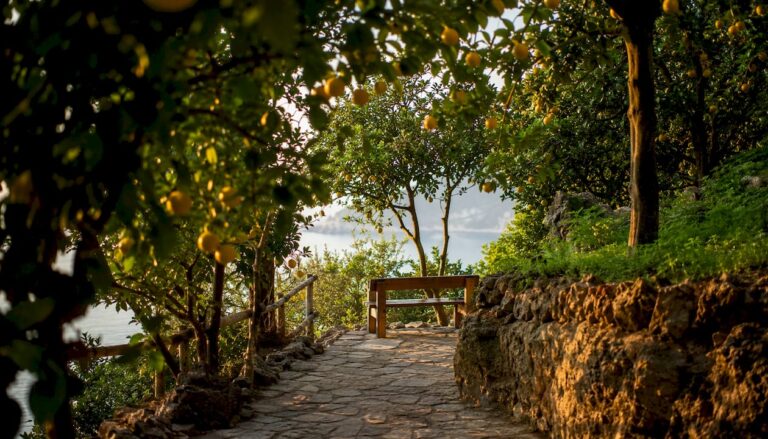
Aventine Hill, home to the famous Keyhole view of St. Peter’s dome and the Orange Garden overlook, is the rare Rome landmark that stays quiet almost regardless of when you visit, making it one of the lowest-stress choices on this list if your travel schedule is tight.
Villa Borghese and the Pincian Hill terrace offer sweeping views over the city that work beautifully at golden hour, when the dome of St. Peter’s catches the last light.
The Colosseum viewpoints are stunning but genuinely crowded outside of sunrise and the last light of the evening.
Castel Sant’Angelo’s bridge, lined with Bernini’s angel sculptures, gets busy at golden hour but thins out as blue hour sets in, and a private boat on the Tiber removes the crowd variable entirely if you want the river without the foot traffic.

Trastevere flips the usual script: this neighborhood comes alive after dark, and its piazzas feel romantic precisely because of the buzz, not despite it.
Ponte Sisto, a smaller pedestrian bridge over the Tiber, offers blue-hour views of the water with a fraction of the visitors you’ll find at the bigger bridges.
Every location on this list is public property, which means privacy is always relative, never guaranteed. If a truly private moment matters more to you than a famous backdrop, a reserved rooftop or courtyard removes the guesswork completely.
How Photographers Actually Think About Timing
Professional photographers don’t pick a time because it sounds romantic. They pick it because of where the sun sits and how many strangers are likely to wander into frame.
Light direction changes everything about how a proposal photo turns out. Front light, which you get facing the sun during golden hour, flatters faces evenly but can wash out fine details in stone backgrounds. Side light, common in early morning at spots like the Aventine Hill, carves out texture and depth, which is why so many professional Rome shoots lean toward dawn for architectural detail. Backlight, shooting toward the setting sun, creates dramatic silhouettes but requires a skilled photographer to keep faces from disappearing into shadow.
Crowds aren’t automatically the enemy. A little foot traffic at Trastevere in the evening adds life and warmth to a photo, the blur of a passing cyclist or the glow of a café window in the background. But at a landmark like the Trevi Fountain, a crowd doesn’t add atmosphere, it blocks the shot entirely and turns a tender moment into a logistics problem.
The single rule that separates a smooth proposal from a scrambled one: visit the spot the day before at the same hour you’re planning to propose. Light shifts by the week in Rome, event schedules change, and a piazza that was empty on a travel blog six months ago might have a farmers market set up on the exact morning you show up. If you can’t scout it yourself, this is precisely what a local photographer or planner is for.
Shoulder-season months paired with early-morning timing consistently produce the lowest crowd density of any combination available in Rome, and autumn in particular tends to give photographers more room in their schedules than the June wedding rush.
- Front light (golden hour, facing the sun): even, flattering, softer detail
- Side light (early morning): more texture and depth, especially on stone
- Backlight (sunset): dramatic but riskier without an experienced photographer
- A quick scouting visit the day before beats any guide you’ve read online
When Should You Book Photographers, Terraces, and Permits?
Rome punishes last-minute planning more than most cities, especially during peak season, so the booking clock matters as much as the proposal clock.
- Four to six weeks out is workable if you’re proposing during shoulder season rather than peak months. Preferred photographers tend to have more open dates in autumn than in the height of summer, so a shorter runway is realistic if your date falls in late September or October.
- Seven to ten days before departure, confirm every reservation in writing: exact arrival time at the location, how your photographer will signal you (a subtle nod, a specific bench, a coded text), and a named backup indoor location if rain moves in.
- The morning of, reconfirm one more time by text or WhatsApp. Weather in Rome can shift fast, especially in spring and fall, and a five-minute check-in avoids a photographer standing at the wrong spot while you’re rerouting to plan B.
Permits matter more than most travelers expect. Certain elevated terraces, private courtyards, and some boat launches require advance clearance that simply can’t be arranged same-day, which is exactly why the eight to twelve week window exists. A planner who already holds standing relationships with these locations can secure the exact hour you want; without that groundwork, you may be stuck negotiating around whatever slot happens to be open.
Build a contingency into every plan regardless of season: an indoor terrace as backup, a slightly earlier sunrise slot if your first choice location turns out busier than expected, or a private boat or rooftop that gets you out of the public crowd entirely if weather or foot traffic derails the outdoor plan.
Pro Tip: Ask whoever you book with for a plan B location in writing before you leave home, not after you land in Rome. A backup decided in a panic at a café table rarely turns out as good as one chosen calmly weeks in advance.
Your Day-Before and Morning-Of Checklist
The night before matters as much as the moment itself. Reconfirm every booking by message, walk the actual route to your proposal spot if you have the time, and double-check wherever the ring is stored has a plan that doesn’t involve a jacket pocket you might change out of.
On the morning of, build in a real arrival buffer, not just for crowds but for the security checks and unexpected queues that pop up at Rome’s busier sites. Get a final confirmation from your photographer, whether that’s a text, a specific hand signal, or simply spotting them already in position. Have a natural cover story ready for why you’re walking to this particular spot at this particular hour, something as simple as “I read this has the best morning light for photos” usually holds up fine.
- Day before: reconfirm all bookings, scout the route, secure the ring
- Morning of: arrive with buffer time, get photographer confirmation, keep the cover story simple
- After the yes: know where you’re heading next for photos, and confirm your restaurant or transport in advance so the celebration doesn’t stall out
Are There Festivals Worth Building a Proposal Around?
Rome’s calendar offers a handful of moments where the city itself sets the romantic mood for you, no extra planning required.
Natale di Roma, the city’s founding anniversary on April 21, fills the historic center with fireworks and celebration, and the atmosphere alone can make an evening proposal feel like the whole city is in on it. La Notte Bianca, when it runs, keeps museums and piazzas lit and active well past midnight, though it also means heavier crowds than usual.
Christmas season, particularly the first two weeks of December before the holiday crush peaks, brings twinkling lights to Piazza Navona and a genuinely magical hush to the city in the early morning hours before the day-trippers arrive. If you can tolerate colder temperatures and shorter days, a December proposal at sunrise near a lit Christmas tree in one of Rome’s grand piazzas is hard to beat for atmosphere.
Spring brings smaller, quieter romantic touches: wisteria blooming along garden walls, outdoor café seating returning to piazzas, and Easter week processions that, while crowded, carry a solemnity and beauty worth witnessing even if you time your actual proposal for a quieter side street nearby.
None of these events require you to propose in the middle of the festivity itself. A quiet early morning the day before or after a major celebration often gives you the romantic backdrop without the crowd that comes with the event’s peak hours.
How Can You Weave Italian Culture Into the Moment?
A proposal in Rome feels more grounded, less like a photo op, when it borrows something real from the culture around you rather than just using the city as scenery.
Consider incorporating a small, quiet Italian tradition into the moment itself. Sharing a gelato from a local shop right before or after the proposal, rather than a generic tourist stand, roots the memory in something specific to where you actually stood. If your partner has Italian heritage, even a small detail, a phrase in Italian, a nod to a family recipe or region, adds a layer of meaning a generic backdrop can’t provide on its own.
Champagne and flowers are practically an Italian proposal tradition at this point, and a small local touch, prosecco instead of imported champagne, or flowers sourced from a Roman florist rather than a hotel gift shop, keeps the gesture feeling like it belongs to the city rather than borrowed from anywhere. Many Rome-based planning services build exactly this kind of detail into their packages by default.
If your budget and schedule allow, consider timing the proposal near a smaller neighborhood tradition rather than a headline tourist attraction, a quiet Sunday morning market in Testaccio, or an evening passeggiata through Trastevere’s cobblestone streets, where locals still stroll after dinner. These moments give the story you tell for the rest of your lives a texture that a purely photogenic landmark sometimes lacks.
Where Can You Propose Indoors if the Weather Turns?
Rain in Rome, especially in spring and late autumn, has a way of arriving without much warning, so having a real indoor plan beats hoping the forecast holds.
A private terrace or rooftop restaurant with covered seating gives you nearly the same golden-hour view as an outdoor plaza, minus the risk of a downpour interrupting the moment. Several of Rome’s rooftop bars near the historic center offer covered or partially covered seating with skyline views toward St. Peter’s dome, a workable substitute if your open-air plan gets rained out.

Historic churches and basilicas, while not appropriate for the proposal moment itself out of respect for their function, make a beautiful stop just before or after, especially smaller, less-visited ones away from the main tourist routes, where you can step in for a few quiet minutes together.
A candlelit dinner at a small trattoria, arranged in advance with the restaurant so a specific table or private corner is held for you, works as a full contingency plan rather than just a backup. Ask about a quiet corner table when you make the reservation, and many restaurant owners in Rome are used to accommodating exactly this kind of request.
The most reliable indoor contingency, though, is one arranged in advance rather than improvised on the day. A reserved private space removes the weather gamble completely, letting you choose the hour and the mood without watching the sky.
Why Couples Should Rethink the “Perfect Sunset” Myth
The advice that circulates most about proposing in Rome leans hard on sunset and golden hour, and it undersells how good early morning actually is. Couples flying in from the U.S. are already dealing with a six- to nine-hour time difference in the first few days, which means a 6:30 AM wake-up is often easier than it sounds, and it happens to be the exact window that clears out the Trevi Fountain and the Spanish Steps.
Shoulder season deserves more credit than it gets, too. April to May and late September to October solve two problems at once: better light and fewer people fighting you for the same three square feet of pavement. Peak summer photos look identical to a thousand other tourists’ photos, mostly because everyone is shooting the same crowded frame at the same crowded hour.
If there’s one thing worth prioritizing above all else, it’s scouting. A spot that looked perfect in a blog post six months ago can be a construction zone or a tour bus pickup point the week you arrive. Whether you do that scouting yourself the day before or hand it to a local planner, that single step prevents more proposal disasters than any date on the calendar.
How Proposal Italy Takes the Guesswork Out of Timing
Instead of gambling on whether the Spanish Steps will be photo-ready at 7:00 AM on the one morning you have available, Proposal Italy does the scouting and permit work in advance, so the window you book is the window you actually get.

Every all-inclusive package includes a reserved romantic spot, a hidden professional photographer, flowers, champagne, and an on-site coordinator managing the timing on the ground while you focus on the moment. Add-ons cover the details that turn a good proposal into an unforgettable one: a private boat, a violinist, drone footage, or extra photography coverage if you want the celebration afterward captured too. Consultation packages start from starting from a few hundred euros, with more comprehensive packages costing more, with published pricing up front so there’s no back-and-forth negotiating before you even land.
Because Proposal Italy already knows which hour works at which Rome landmark, and holds the terrace and permit relationships that take most independent travelers weeks to build from scratch, the crowd and weather risk this whole article walks through gets handled before your flight lands. If you’re ready to lock a date, browse marriage proposal ideas for Rome or reach out directly through Proposal Italy’s Rome page to get a tailored plan and quote within 24 hours.
Sources
- When To Visit Rome: Best Months To Visit Rome By Locals
- Romantic Rome: the complete guide for couples 2026
FAQ
What Is the Best Month to Propose in Rome?
April, May, late September, and October give you the best balance of mild weather, flattering light, and manageable crowds, according to seasonal travel data for Rome.
What Is the Best Time of Day to Propose in Rome?
Early morning between 6:30 and 9:00 AM offers the fewest people and softest light, while the 60 to 90 minutes before sunset gives you golden-hour drama at the cost of heavier crowds.
Where Is the Best Place to Propose in Rome?
The Aventine Hill’s Orange Garden stays quiet almost any time of day, while the Trevi Fountain and Spanish Steps are best visited at dawn; a private terrace or boat removes the crowd question entirely.
Is Seven Months of Dating Too Early to Propose?
Timing a proposal has more to do with your relationship’s readiness than a fixed number of months, and that decision sits entirely with the couple rather than any calendar rule.
Does This Guide Cover Proposal Spots Outside Rome?
Other destinations offer strong proposal backdrops of their own, though this guide focuses specifically on timing and locations for a Rome proposal for couples traveling from the U.S.


2 Comments